Before you commit to a treatment, you need to know what you are treating, where it is, how extensive the damage is, and what your options cost. Show Me Pest Control's San Francisco inspection delivers all of that in writing.
Call +1-866-315-0243 — Schedule InspectionThe documentation standard that makes our San Francisco inspections useful for real estate, lending, and property management.
Every inspection Show Me Pest Control performs in San Francisco generates a formal written report documenting all findings: active termite activity, mud tube evidence, frass deposits, swarmer signs, past structural damage, and all conducive conditions observed. The report includes photographs and is available for real estate, lender, and insurance use.
Your treatment recommendation is based on what species is present and where. We identify first, then explain your options with itemized pricing — you choose the approach that fits your situation and budget.
Selling, buying, or refinancing in San Francisco? Our termite inspection report meets the documentation standard lenders and title companies require — inspector name, license, findings, and treatment options all documented in a format designed for real estate use.
Treatment warranties issued by Show Me Pest Control are transferable to the new owner at the time of sale. This adds documented value to the property and eliminates the buyer's need to start a new treatment program from scratch.
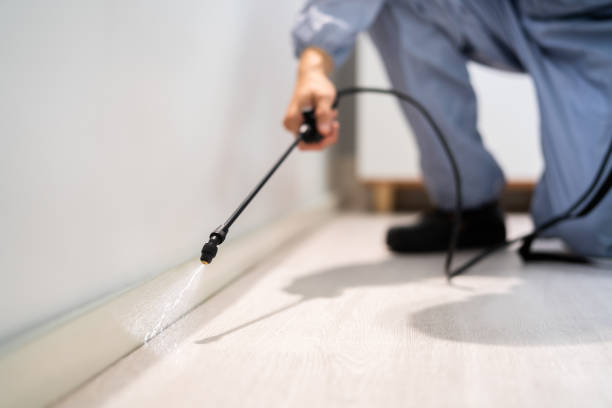
Every Show Me Pest Control termite inspection in San Francisco produces a written report with findings, photographs, and itemized treatment options. The document is yours to keep regardless of whether you proceed with treatment.
Three species account for most structural termite damage in San Francisco, CA, and each one requires a different response. Subterranean termites enter structures at the soil-to-wood interface, building mud tubes across foundation surfaces to access framing above grade. Drywood termites require no soil contact, colonizing wood members directly and leaving characteristic frass piles near kick-out holes. Formosan termites are subterranean but operate at a different scale — larger colonies, faster spread, and greater structural consequence when left unaddressed. A certified inspector confirms which species is present before treatment is discussed, because misidentifying the species leads to applying the wrong method.
Most homeowners who call about a termite concern in San Francisco describe evidence they dismissed initially — and that describes most early-stage infestations. Swarmer wings near windows and door frames in spring are one of the most frequently overlooked indicators; the termites themselves are rarely seen, but the discarded wings they leave after landing are diagnostic. Hollow-sounding wood when tapped, particularly in floor framing near a crawl space or at door frames, indicates the interior has been consumed. Mud tubes on foundation exterior surfaces — thin, pipe-like structures that follow the foundation line, pier surfaces, or utility entry conduit — are the most definitive external evidence of subterranean activity. They are often mistaken for dirt drips or moisture staining by homeowners who have not seen them before. Frass deposits near baseboards or beneath wood furniture indicate drywood activity.
Suspicious signs around your foundation or windowsills in San Francisco? Call +1-866-315-0243 — our inspector confirms activity and issues a written report.
The inspection workflow at Show Me Pest Control follows a consistent sequence regardless of the property type. The inspector arrives with a moisture meter, probe, and flashlight at minimum — these tools help detect activity in areas that show no surface evidence. The exterior inspection covers the full foundation perimeter, all utility and pipe entry points, attached structures, and visible wood-to-soil contacts. The interior inspection covers subfloor access points, visible framing in crawl spaces and basements, attic framing if accessible, and any interior walls or structural members showing surface irregularities. Moisture meter readings at suspect areas help differentiate active moisture-driven wood damage from termite activity. All findings are documented during the inspection with photographs and location notes. The written report is the output: it identifies what was found, where it was found, whether activity appears active or historical, what conducive conditions were observed, and what the inspector recommends as treatment options — priced by option before you decide anything.
Treatment choice in San Francisco depends entirely on what the inspection finds. Show Me Pest Control does not have a default package — the report's findings drive the recommendation, and multiple options are presented for situations where more than one method is appropriate. Liquid soil barriers and bait station networks address subterranean activity through different mechanisms and timelines. Wood injection and fumigation address drywood infestations at different scopes. The report explains what is present, what each applicable method involves, and what each costs. This is the information you need to make the right decision for your property and budget.
Property transactions in San Francisco move faster and with fewer surprises when termite documentation is in place before the process starts. A completed Show Me Pest Control inspection report with a clean finding, or a treatment warranty following remediation, reduces the uncertainty that slows real estate transactions. Lenders typically require a current inspection as part of the mortgage process — having it prepared in advance rather than ordered under closing deadline pressure means the inspection is scheduled and conducted thoroughly rather than rushed. Show Me Pest Control produces reports that are formatted for the uses your realtor, lender, and title company need, and our warranties are structured to transfer to the new owner at the time of sale.
Inspection-first, treatment-second. The service menu covers every scenario our inspectors find in San Francisco homes and commercial properties.
A full property inspection — exterior perimeter, foundation, interior framing, crawl space, and attic — producing a written report with photographs, findings, and itemized treatment options. This report is yours to keep and is formatted for real estate, lender, and insurance use.
A soil barrier treatment in San Francisco involves trenching or drilling along the foundation perimeter, injecting termiticide at the prescribed rate, and creating a chemical zone termites crossing the foundation enter. Typically combined with a service warranty.
Bait stations offer a lower-disturbance alternative to soil injection, with ongoing monitoring built into the program. Stations are checked on a scheduled basis; active stations are serviced and documented. Colony suppression typically occurs over a longer timeline than liquid treatment.
Fumigation is never recommended as a first option — it is indicated when the inspection finds widespread drywood activity that localized injection or heat treatment cannot adequately address. The written report will explain why, with the specific findings that drive the recommendation.
When drywood activity is localized — confined to identifiable members or a specific area of the structure — direct wood injection of insecticide into affected members is a targeted and effective response that avoids the disruption of tent fumigation.
Maintaining an annual inspection record in San Francisco has practical benefits beyond pest management. It satisfies lender requirements at refinancing, provides a documented history for estate and sale purposes, and demonstrates due diligence for insurance and property management accountability.
Every step moves toward the same outcome: a written record you can act on.
Call +1-866-315-0243 and confirm a same-week or next-week appointment in San Francisco. Let us know if the inspection is for real estate, a concern you have noticed, or a routine scheduled check.
Your inspector arrives with probe, moisture meter, and flashlight. Exterior perimeter, foundation surfaces, crawl space, accessible framing, and interior areas are systematically documented. Photographs are taken at every finding.
The written report documents all findings, includes photographs, distinguishes active from historical activity, lists all conducive conditions observed, and presents applicable treatment options with itemized pricing. This report is yours.
Treatment follows your review and approval of the written options. On completion, the warranty is issued in your name, with transfer paperwork ready for the time of sale. Annual renewal visits maintain coverage and the service record.
Three situations where the written report and treatment documentation made a measurable difference.
Our closing was ten days out when the home inspector flagged possible swarmer evidence. Show Me Pest Control arrived, conducted the inspection, identified an active subterranean colony and its entry point, issued the written report the same day, and completed the liquid barrier treatment in time. The buyer received the warranty documentation at closing and the lender signed off. The inspection that day was the most important phone call we made in that entire transaction.
I had not had a termite inspection in over twelve years. I knew I probably should, but nothing was visibly wrong. The inspector found past activity that was fully dormant and two early-stage mud tubes at the back of the foundation that I would never have seen on my own — they were behind a downspout on the exterior foundation at ground level. Treatment addressed both active locations. I have followed up every year since and nothing has advanced. Catching it when we did meant no structural involvement at all.
After a costly and entirely preventable termite situation at one of my rentals, I moved all fourteen units to annual inspections with Show Me Pest Control. The written service records simplify lender conversations, the annual inspection catches issues before they become structural, and in three years we have had two early-stage finds that were treated cheaply under warranty. I should have done this from the start of owning the portfolio.

Signs of termite activity in San Francisco homes vary by species. Subterranean termites most often announce themselves through mud tubes on the foundation exterior, swarmer wings near light fixtures or windows in spring, or hollow-sounding floor framing. Drywood termites show up as frass deposits near baseboards, furniture, or overhead wood surfaces. If you have observed any of these and are unsure what they indicate, a certified inspection is the fastest way to get a definitive answer — the inspector documents what was found and whether it is active, which is information a visual self-check cannot produce.
A Show Me Pest Control termite inspection in San Francisco covers the full accessible property: exterior foundation perimeter including all utility and pipe entry points; visible crawl space framing and subfloor; accessible attic framing; interior structural areas identified as higher risk based on the exterior inspection; and any interior areas flagged by moisture meter readings. Photographs are taken at each finding. The written report documents active evidence, historical activity, conducive conditions, and treatment options with pricing. The report is produced at the time of inspection.
For most active subterranean infestations in San Francisco, liquid barrier treatment is typically completed within a few days of the property owner approving the written treatment plan. Bait station installation can be done at the same time or in a follow-up visit. Wood injection for limited drywood activity is also schedulable within days. Tent fumigation requires more preparation time — typically one to two weeks from the decision to complete, depending on scheduling and preparation readiness. Your written report will include a timeline estimate for each option that applies to your situation.
The main practical differences between bait stations and liquid barrier: application method (drilling and injection vs. in-ground stations); timeline to colony suppression (barrier is faster-acting; bait takes longer but works continuously); property disturbance (barrier involves trenching or drilling; bait involves only digging shallow station holes); ongoing program (bait stations require monitoring visits included in the program fee; barrier treatment is typically a one-time application with a warranty). Both are appropriate for subterranean termites. The conditions found in the inspection determine which is the better fit.
Show Me Pest Control warranties are structured to transfer with the property at sale. The buyer receives the warranty documentation, the treatment records, and the service history maintained by Show Me Pest Control. The transfer does not require a new service setup or additional payment at the time of sale. Call +1-866-315-0243 for the specific terms of the warranty applicable to the treatment completed at your San Francisco property.
The standard is annual for San Francisco, CA properties. Termite populations do not pause, and an annual inspection ensures that new activity is identified and addressed before it reaches the structural members. For properties under a treatment warranty, the annual renewal inspection maintains coverage. For properties without prior treatment, an annual inspection is the mechanism that keeps a clean bill of health current and available for real estate, insurance, and lending purposes. Show Me Pest Control handles scheduling reminders so the annual date does not slip.
Whether you are buying, selling, or maintaining a property in San Francisco, the certified inspection from Show Me Pest Control gives you a document you can act on. Call +1-866-315-0243 to schedule.
Show Me Pest Control provides certified termite inspection and control services throughout San Francisco and across San Francisco, CA. Residential, investment, and commercial properties served. Call +1-866-315-0243 to confirm availability and schedule an inspection in your area.